

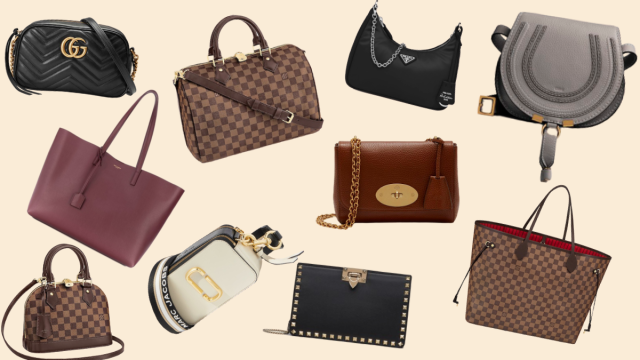
In a striking development on social media, Chinese manufacturers are utilizing TikTok to assert their role in producing goods for renowned luxury brands, thereby questioning the traditional narratives of exclusivity and origin associated with these labels. This trend emerges against the backdrop of escalating trade tensions between the United States and China, with recent tariffs reaching up to 145% on Chinese imports .
One prominent example is the TikTok account @senbags2, which gained significant attention by claiming that 80% of luxury handbags are manufactured in China. The account featured videos showcasing factory settings and production processes, suggesting that high-end products from brands like Gucci, Prada, and Louis Vuitton are produced alongside more affordable items in the same facilities. Although the original account was removed, similar content continues to circulate, fueling discussions about manufacturing practices in the luxury industry .
These videos resonate with a growing consumer desire for transparency and affordability, particularly among younger demographics. They also tap into the rising popularity of “dupe culture,” where consumers seek products that mimic the style of luxury goods without the associated price tag. Platforms like DHgate have seen increased traffic, as consumers explore direct-from-manufacturer options .
However, luxury brands have responded to these claims with skepticism. Companies like Lululemon and Adidas have denied that their products are manufactured in China, emphasizing their commitment to transparency and official distribution channels. They warn that products sold through unauthorized platforms are likely counterfeit and do not meet their quality standards .
The situation is further complicated by the ongoing trade war, which has led to increased tariffs and a reevaluation of global supply chains. Chinese manufacturers’ use of TikTok to reach international consumers directly can be seen as both a marketing strategy and a form of soft power, challenging Western perceptions of Chinese manufacturing and highlighting the complexities of globalization in the luxury market .
As this trend continues to unfold, it underscores the evolving dynamics between consumer behavior, manufacturing practices, and international trade relations. The luxury industry’s response to these challenges will likely shape its future strategies in branding, production, and global engagement.