


The Maldivian government has awarded two major state-owned enterprises (SOEs) contracts worth MVR 316 million to develop and expand healthcare infrastructure across three islands, aiming to bring tertiary-level medical services closer to residents in the atolls.
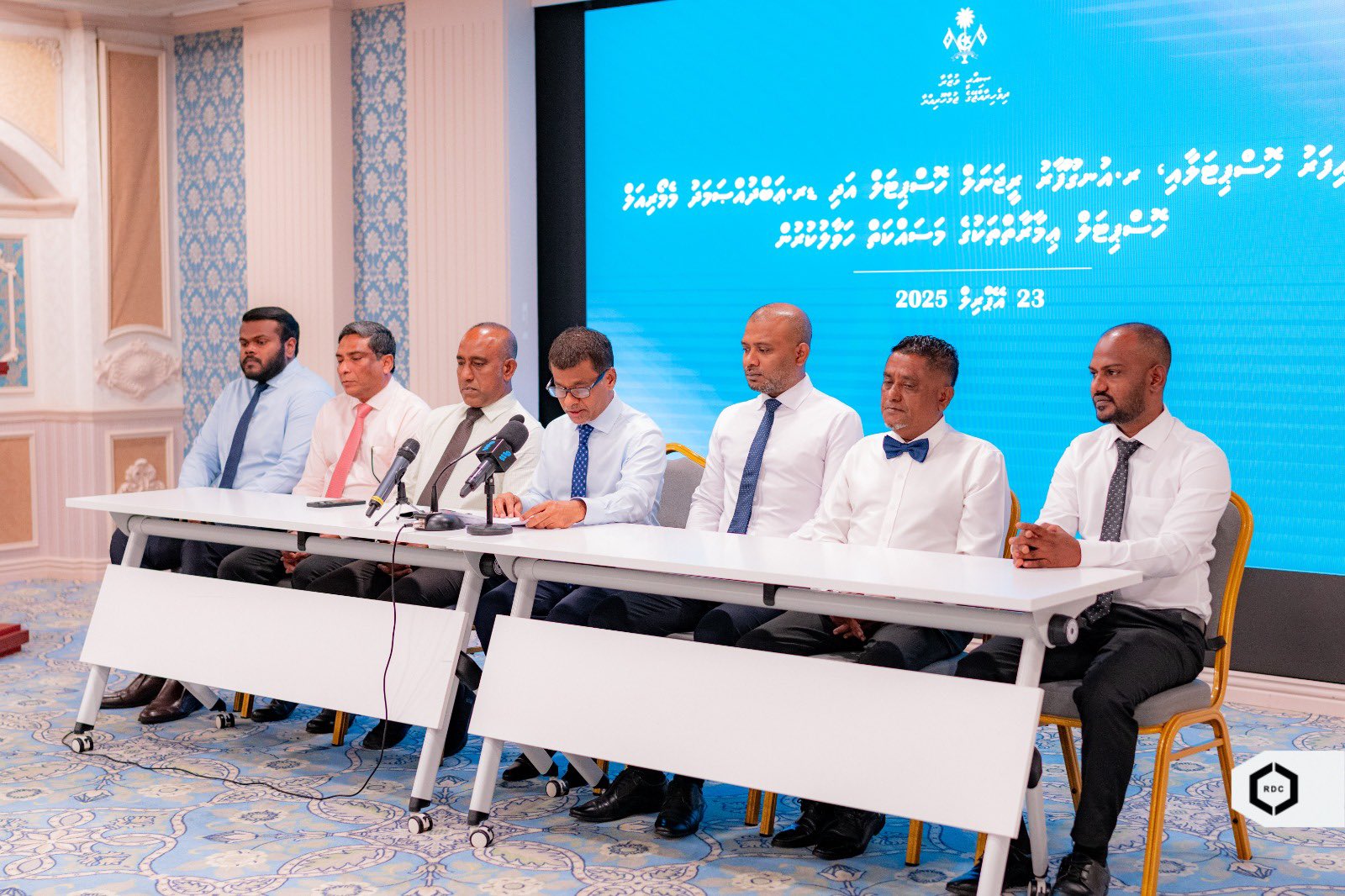
At a signing ceremony held at the Ministry of Health today, agreements were formalized with Maldives Transport and Contracting Company (MTCC) and Road Development Corporation (RDC) to design and construct hospital facilities in R. Ungoofaaru, Lh. Naifaru, and GDh. Thinadhoo.
ޅ. ނައިފަރު ހޮސްޕިޓަލް އިމާރާތް ކުރުމުގެ މަސައްކަތުގެ އެއްބަސްވުމުގައި ޞިއްޙީ ވުޒާރާ އާއި މި ކޯޕަރޭޝަނާއި ދެމެދު މިއަދު ވަނީ ސޮއި ކޮއްފައެވެ. #TeamRDC pic.twitter.com/B45hUK35T9
— Road Development Corporation Ltd (@rdcmaldives) April 23, 2025
Expansion of Tertiary Services
MTCC Managing Director Ahmed Saudhi and State Minister for Health Ahmed Gasim signed the agreement to build a new hospital building at Ungoofaaru Regional Hospital, upgrading it to a tertiary-level facility. The MVR 161.2 million project is scheduled for completion within 17 months.
MTCC was also awarded the MVR 147.4 million contract to expand GDh. Thinadhoo’s AbduSamad Memorial Hospital, enabling it to provide tertiary-level services. This project will also be completed within 17 months.
In a separate agreement, RDC Deputy Managing Director Mohamed Asbah Ali Naseer and State Minister for Health Ismail Shareef signed a contract to develop a labour room complex and Intensive Care Unit (ICU) at Lh. Naifaru Hospital. The project, valued at MVR 7.7 million, is expected to be completed within a year.
Enhancing Healthcare Access Nationwide
Following the signing, Minister of Health Abdulla Nazim Ibrahim noted that once completed, the facilities at the two regional hospitals will be capable of delivering comprehensive tertiary-level services. He also stated that this initiative is part of a broader government plan to develop more hospitals across the atolls in the future.
Director General of Health Sciences, Dr. Ahmed Ashraf, emphasized the importance of decentralizing specialized healthcare services. He highlighted that kidney, heart, and neurological diseases are among the main reasons patients are transferred to Malé for treatment.
“With these new developments, hospitals will be equipped to treat these ailments locally,” Dr. Ashraf said, adding that different hospitals would focus on various specialties to maximize service coverage across regions.
The government’s goal is to reduce the burden on the capital’s healthcare system by decentralizing advanced medical services, ensuring timely treatment and improving health outcomes for residents in outer islands.