


Tourist arrivals to the Maldives hit an all-time high of 2.05 million in 2024, an 8.9 percent increase over the previous year, according to the World Bank’s latest Maldives Development Update. Driven by strong performance in tourism and related services, the country’s real GDP is estimated to have grown by 5.5 percent in 2024, helping to bring poverty rates back below pre-pandemic levels.
Despite the strong economic growth, the report highlights mounting fiscal and external vulnerabilities. Overall headline inflation remained low at 1.4 percent during most of 2024, thanks to continued government subsidies. However, inflation surged towards the end of the year, reaching 4.8 percent in December, fueled by rising prices in tobacco, restaurant services, and accommodation. Food price inflation averaged 6.6 percent in 2024, raising concerns for poor and vulnerable households, who spend over a third of their income on food.
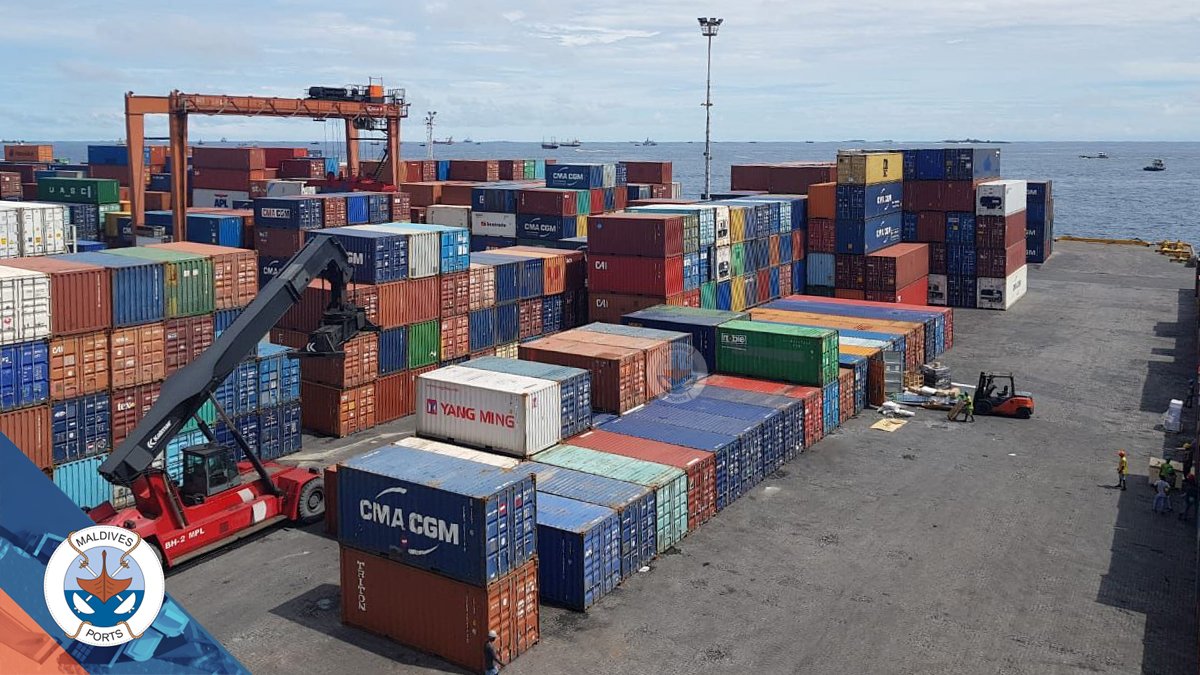
The Maldives’ trade deficit widened from US$3.1 billion in 2023 to US$3.3 billion in 2024, largely due to a sharp 50 percent decline in fish exports and a 4.0 percent increase in goods imports. Official reserves fell to US$371.2 million in September 2024, covering just 0.8 months of imports. Reserves rebounded to US$832.1 million by February 2025, bolstered by a US$400 million currency swap agreement with the Reserve Bank of India and new foreign exchange regulations targeting the tourism sector. Nevertheless, usable reserves remain critically low, covering less than one month of imports.
The report also points to a growing fiscal deficit, which widened to 12.3 percent of GDP in 2024, up from 10.6 percent in 2023. While recurrent expenditures, especially on health and public sector wages, rose sharply, revenues grew by only 1.0 percent, hindered by declining non-tax income. Capital expenditure, meanwhile, dropped by 7.8 percent in the first three quarters of 2024, reflecting financing difficulties and the accumulation of expenditure arrears.
Tourism, accounting for approximately 21 percent of GDP, remains a crucial pillar of the economy. Major markets include China, Russia, and Western Europe. However, the World Bank notes that while visitor numbers have grown, spending per tourist has been moderating. Employment vulnerabilities persist, with 40 percent of the workforce engaged in informal jobs and significant gender gaps. In resort islands, only one-third of employees are Maldivian.
High government spending over the last decade, including extensive subsidies and capital projects funded through non-concessional borrowing, has significantly heightened fiscal and external risks. Although the government introduced a fiscal adjustment agenda in early 2024, progress has been slow. Delays in subsidy reforms and public enterprise restructuring have exacerbated fiscal imbalances, elevated public debt, and strained foreign exchange reserves.
Looking ahead, the completion of the new terminal at Velana International Airport is expected to boost tourist arrivals and support continued economic growth, projected to average 5.2 percent over the medium term. However, without substantial fiscal reforms, the deficit is expected to remain high, only gradually declining to 9.8 percent of GDP by 2027. Public debt is projected to climb further, reaching 135.7 percent of GDP.
The World Bank warns of significant downside risks, including potential global economic slowdowns that could impact tourism revenues, limited financing options, and rising debt servicing obligations. These pressures could strain household incomes, limit access to essential goods, and increase poverty and food insecurity. Conversely, a drop in global commodity prices could help ease inflation and current account pressures.
The report emphasizes that a “sizeable and immediate fiscal adjustment” is critical to safeguard macroeconomic stability and protect household welfare in the coming years.