

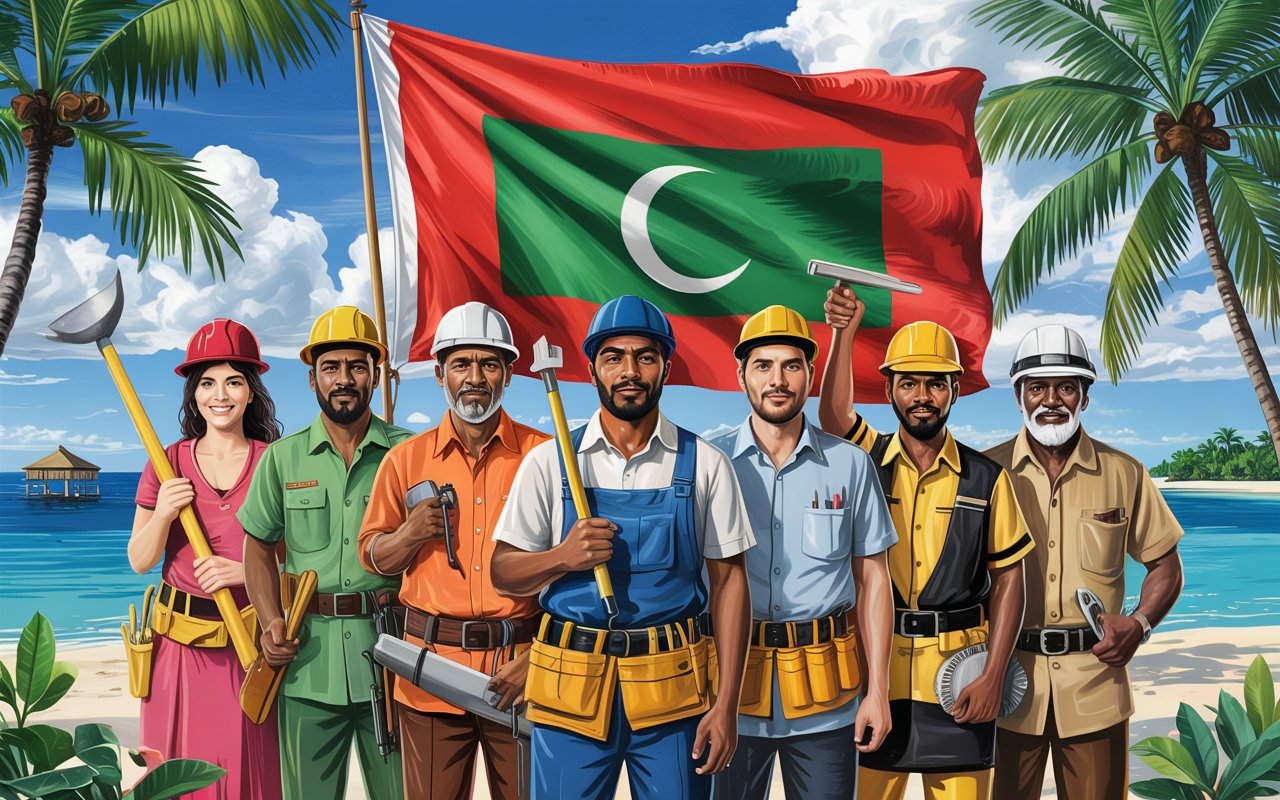

Every year on May 1st, the world comes together to observe International Workers’ Day, a day dedicated to celebrating the global workforce and the labor movement’s ongoing fight for workers’ rights. Known also as May Day, this annual observance has evolved from a history of struggle to a worldwide celebration of labor rights, marking both the achievements and challenges that workers face across different industries and regions.
The Roots of International Workers’ Day
The origins of International Workers’ Day can be traced back to the late 19th century, particularly to the labor protests in the United States. One of the most significant events was the Haymarket Affair in Chicago in 1886, where workers advocating for an eight-hour workday were met with violence. This tragic incident galvanized the labor movement, and by 1889, the Second International, a coalition of socialist and labor groups, declared May 1st as a day to commemorate workers’ struggles and advocate for better labor conditions.
A Global Call for Solidarity
Today, International Workers’ Day is celebrated in over 80 countries, with parades, rallies, and demonstrations taking place in cities worldwide. In many countries, the day is marked as a public holiday. In regions such as Latin America, Europe, and Asia, workers, trade unions, and activists gather to show solidarity and highlight important labor issues, from wage inequality to job security.
Though it is a time of celebration, International Workers’ Day also serves as a platform to raise awareness about critical issues facing the workforce. Key concerns, such as unsafe working conditions, labor exploitation, the rights of migrant workers, and the impact of automation, are central to the discussions. Additionally, the COVID-19 pandemic has underscored the need for stronger protections for essential workers who often face hazardous working environments with inadequate compensation.
Essential Workers and Their Role
In recent years, International Workers’ Day has taken on a new significance as the world has witnessed firsthand the essential roles that workers play in maintaining societal function. Healthcare professionals, delivery workers, teachers, and service industry employees have been at the forefront during the pandemic, often working under stressful and dangerous conditions.
On May 1st, these workers are honored for their vital contributions, which have kept economies and communities running during times of crisis. The global recognition of essential workers brings renewed focus on the need for better wages, safer working conditions, and greater social protections for all workers.
The Future of Workers’ Rights
While International Workers’ Day provides an opportunity to reflect on the progress made in labor rights, it also calls attention to the challenges ahead. As the world economy evolves, workers continue to face new obstacles. The rise of the gig economy, automation, and precarious work contracts present complex challenges to workers’ rights and job security.
The growing movement for better pay, benefits, and fair treatment in the workplace has gained momentum, and International Workers’ Day serves as a reminder that the struggle for workers’ rights is ongoing. It is a day not only for celebration but also for action—calling for continued efforts to ensure that every worker, regardless of industry or region, has access to fair wages, safe working conditions, and the dignity they deserve.
A Day of Reflection and Action
As we celebrate May 1st, let us recognize the resilience and strength of workers across the globe. From industrial laborers to tech workers, from teachers to healthcare professionals, International Workers’ Day underscores the fundamental importance of work in shaping the world we live in. It is a time for reflection, solidarity, and a renewed commitment to building a future where all workers are treated with fairness and respect.
In this spirit, International Workers’ Day remains an essential observance in the global struggle for economic justice and workers’ rights. As we move forward, let’s continue to honor the contributions of the working class and advocate for a world where every worker’s rights are protected, and their work is valued.