

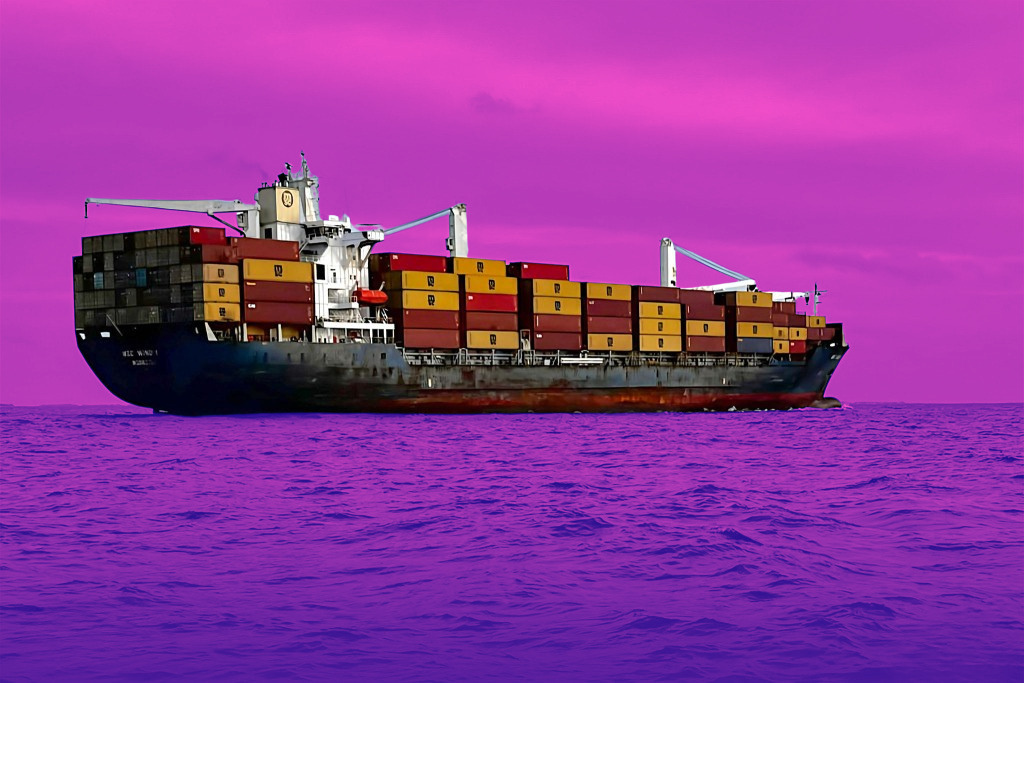

The Maldivian government has taken a bold step. It has merged trade and transport responsibilities under the Ministry of Economic Development, Transport and Trade. This structural shift is already generating excitement among business owners across the country.
Yusuf Riza, the Permanent Secretary of the Ministry of Economic Development, Transport and Trade, spoke about this change on Trade Desk – the ministry’s newly launched podcast series. He called the move a natural and necessary evolution.
“Trade and transport are inseparable industries,” Riza said. “To maintain an efficient supply chain, you need a strong transportation system backing it.”
Why This Matters
The Maldives relies almost entirely on imports. Every product that reaches the islands travels through the transportation network. As a result, any inefficiency in that network directly affects businesses, consumers, and commodity prices.
Currently, the transport sector holds the third-largest share of the Maldivian economy — right after tourism and fisheries. Its scale makes it a critical lever for economic growth.
One Ministry, Fewer Obstacles
Previously, trade and transport policies operated under separate mandates. This created friction. Businesses had to navigate multiple channels to resolve logistics issues.
Now, however, trade and transport integration consolidates policy coordination under one roof. Entrepreneurs no longer need to deal with fragmented bureaucracy. Instead, they get faster decisions, streamlined logistics, and reduced operational hurdles.
Riza highlighted that this consolidation will also help bring down transportation costs. Lower costs, in turn, can lead to more stable and affordable commodity prices for consumers.
A Lifeline for SMEs
Small and medium enterprises stand to gain the most from this change. Delivering goods to remote atolls has long been a persistent challenge for SMEs. The new structure, according to Riza, will create permanent solutions to the long-standing distribution problems.
Moreover, trade and transport integration gives SMEs a more direct pathway to raise concerns and influence policy. With both sectors under one ministry, the government can respond to business needs more efficiently and cohesively.
Looking Ahead
This restructuring signals a broader commitment to building a business-friendly environment in the Maldives. Entrepreneurs now have a more connected, responsive system working in their favor.
Ultimately, trade and transport integration is not just an administrative change. It is a strategic move that strengthens the entire supply chain — from port to island — and creates real, tangible opportunities for Maldivian entrepreneurs at every level.