

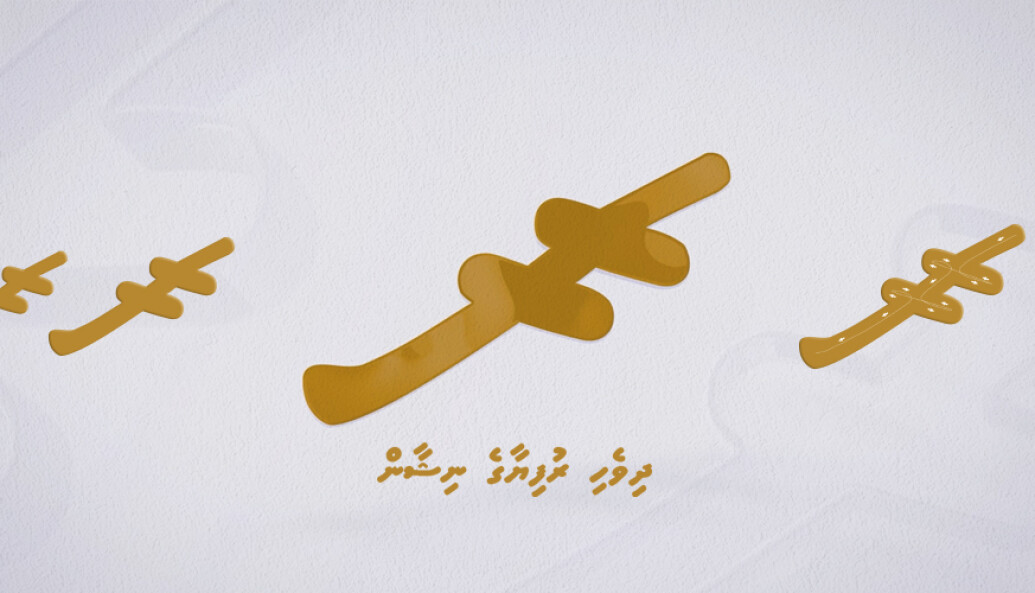
The Unicode Consortium has released version 18.0 of the Unicode Standard, and the Maldivian Rufiyaa symbol has been included in it.
The code point assigned to the Rufiyaa symbol under Unicode Standard version 18.0 is U+20C2.
The symbol itself is not new. The Maldives Monetary Authority (MMA) introduced it back in 2022, and what has changed today is that the symbol now carries a place in the international character standard which software of every description is built to read.
MMA said that the inclusion will allow the Rufiyaa symbol to be used to a single consistent standard across websites, mobile applications and the various digital platforms in between.
So what does a code point actually change?
Up to now, anyone wanting to display the Rufiyaa symbol on a screen had to work around the absence of one.
There was no agreed slot in the character table for the symbol to occupy, which meant that a website or an application wishing to show it had to embed it as an image, ship a custom font, or fall back on writing “MVR” or the bare Thaana letter ރ and leaving the reader to understand what was meant.
A code point removes that difficulty at its root. U+20C2 is now a character in its own right, in the same manner as the dollar sign or the euro sign, and any system which supports Unicode 18.0 will render it without anybody having to make special arrangements.
MMA describes the development as an important milestone in making the Rufiyaa symbol easy to use across digital tools, and the description is a fair one.
When will people actually see it?
MMA said that the symbol will become usable in this manner only as the subsequent updates come through. A code point in the standard is an instruction to the industry rather than a switch which the Consortium can flip. Operating systems, fonts, browsers and keyboard layouts each have to carry the character into their own releases, and that happens at the pace of ordinary software update cycles.
The Rufiyaa symbol will appear gradually over the coming months and years, on some platforms sooner than others, as vendors fold Unicode 18.0 into their products.