

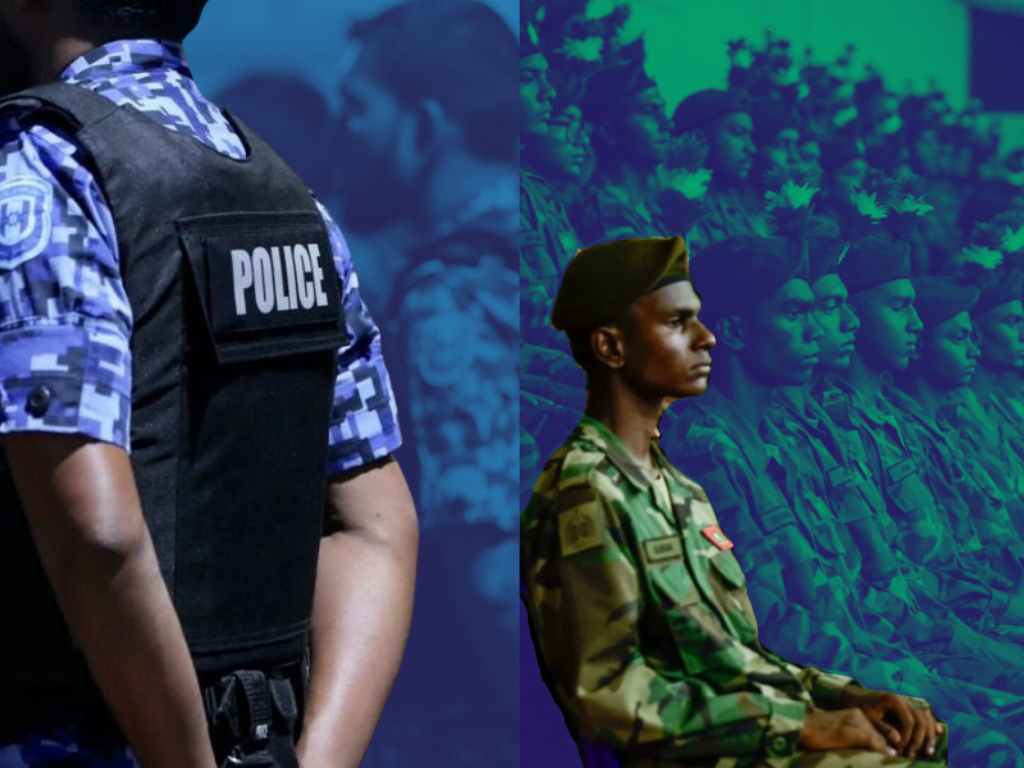

Maldives Parliament has officially accepted the National Service Bill and sent it to the parliamentary Security Services Committee for detailed scrutiny. Kulhudhuffushi South MP Farhath Mohamed moved the bill on the floor.
The proposed legislation establishes a comprehensive national service programme. Furthermore, it creates a robust legal framework to develop the physical, technical, and intellectual capabilities of the nation’s youth.
The bills sets a clear objective. It aims to build a generation that contributes to the nation and society. In addition, it seeks to instill patriotism and respect for Islamic principles among participants.
Eligibility and Participation Rules
The programme will welcome all Maldivian youth between the ages of 16 and 21. However, applicants under 18 must obtain parental consent before joining. Moreover, every participant must pass a medical assessment prescribed under the law’s regulations.
Training Structure and State Support
The National Service Bill outlines a two-stage structure. First, participants will complete a basic education and training course. Afterward, they will work within a designated uniformed service of the state.
The Ministry of Defence will shoulder full responsibility for participant welfare during training. Specifically, the ministry will provide accommodation, meals, medical treatment, transportation, and an adequate allowance.
Training will not exceed one year. Upon completion, participants must serve in a uniformed service. A Governing Council will determine each specific assignment.
The programme also opens a clear career pathway. Participants may apply for permanent roles within the uniformed services after completing their service.
High-Level Governing Council
The bill’s enactment will trigger the formation of the Governing Council. The President of the Maldives will chair this high-level body directly.
The Minister of Defence will serve as Vice-President. Other members will include the Minister of Finance, the Minister responsible for homeland security, the Chief of Defence Force, and the Commissioner of Police.
The National Service Bill now awaits committee review. Ultimately, the committee’s findings will shape the final form of the legislation before it returns to the floor.